







Search Results for: hot and cold layering
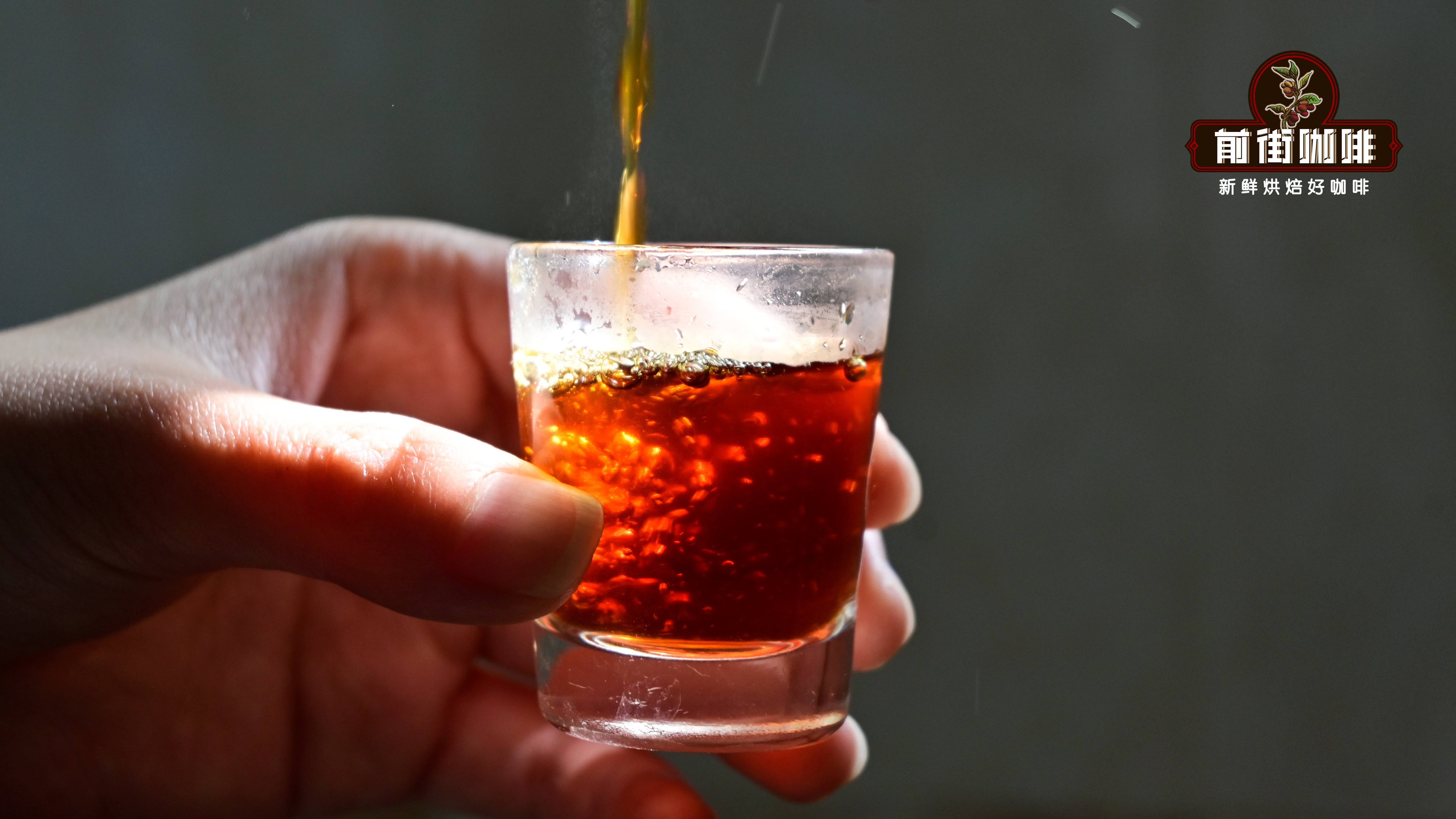
Cold brew, ice drip, hot coffee, and iced coffee—how exactly do you tell them apart? One article explains the extraction principles and flavor differences clearly.
Friends who are new to coffee are often confused by the terms on the menu: espresso, pour-over, cold brew, ice drip—what exactly is the difference between them? This article starts from four angles—brewing method, extraction temperature, time, and flavor performance—to systematically sort out the differences between hot coffee, iced coffee, ice drip coffee, and cold brew coffee. The article will also explain the historical origins of cold brew and ice drip, the relationship between water temperature and extraction time, and the differences between the two in taste layers. Combined with Front Street Coffee's bean list, it gives bean selection suggestions for two flavor profiles, fruity and sweet/mellow, to help you make the cup that suits your taste at home. [more…]
What Are the Flavor Differences Between Cold Brew and Pour-Over? Cold Extraction Has Higher Caffeine—Front Street Coffee Teaches You How to Choose Beans
Why do the same coffee beans taste so completely different when made as cold brew versus pour-over? The key lies in the extraction temperature. Pour-over uses hot water to quickly release the coffee's rich aromas and layers, while cold brew relies on a long, low-temperature steep, delivering a sweet, crisp, and refreshing taste—though with slightly less fullness of flavor. Low-temperature extraction also reduces bitter compounds, but it also results in a higher caffeine content. Using Front Street Coffee's light-roast washed Yirgacheffe Geddid as an example, we compare hot pour-over, cold brew, and iced pour-over to analyze why the flavors differ, and offer coffee bean recommendations suitable for home cold brew and pour-over. [more…]

Can a Hot Dirty Coffee Be Achieved? Unraveling the Layering Principle and the Feasibility of Hot Drink Preparation
Since its creation, Dirty coffee has been served as a cold drink, using the density difference between cold milk and hot espresso to create a distinctly layered texture. But many coffee enthusiasts have raised the question: can Dirty be made as a hot beverage? This article begins with Front Street Coffee's secret menu, traces the origins and core production of Dirty, and deeply analyzes the feasibility of hot Dirty. Through actual testing with a specially made ice ball to rapidly cool the espresso and heating the milk, an attempt is made to replicate the layered effect, and the flavor differences between the iced and hot versions are compared. The article also explores the limitations of hot Dirty in café service, answering for coffee enthusiasts why hot Dirty is difficult to become a regular option. [more…]
Hand Brew vs. Cold Brew: How Extraction Temperature Affects Flavor and Bean Selection
Why do the flavors of the same coffee beans differ so dramatically when brewed as pour-over versus cold brew? From the perspective of Front Street, this article systematically sorts out the core differences between high-temperature pour-over and low-temperature cold brew in terms of extraction principles, flavor expression, and suitable bean types. The article covers a comparative tasting of three methods—hot pour-over, iced pour-over, and cold brew—analyzes the effect of water temperature on the dissolution sequence of acids, sweetness, bitterness, and other substances in coffee, and provides recommendations for coffee beans suited to both brewing methods, including specific Front Street products such as Guodingding, Huahudie, Strawberry Candy, and Huakui, helping coffee enthusiasts easily make their ideal cup at home. [more…]
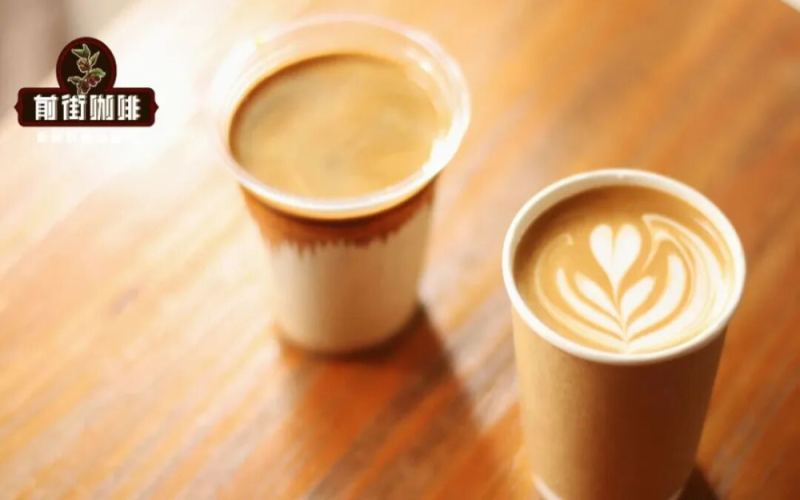
Are Dirty and Flat White Simply Hot and Cold Versions of the Same Drink? A Detailed Explanation of the Differences and Similarities Between Dirty Coffee and Flat White
In specialty coffee shops, Dirty and Flat White are often treated as the default options for testing a barista's skills, even surpassing Americano and Latte in popularity. Someone has put forward an interesting claim: Dirty is just a cold version of Flat White, with the only difference between the two being temperature. Does this viewpoint hold up? To find out the truth, Front Street Coffee decided to put these two milk coffees together for a comprehensive comparison. From bean selection, extraction parameters, and cup volume control, to milk foam condition, temperature management, and the flavor layers on the first sip, we will break down one by one the similarities and differences between Dirty and Flat White in production details and taste experience, to see whether they really are the hot and cold sides of the same cup of coffee. [more…]

Why Is Cold Brew Priced Higher Than Americano? Analyzing the Differences Between the Two from Extraction Methods to Coffee Bean Selection
Among various types of black coffee, cold brew is often priced the highest, creating a stark contrast with the affordable Americano. This price difference is no accident—it stems from fundamental differences in extraction methods and the coffee beans used. Americano is based on espresso, simply diluted with water, making it flexible and quick to prepare; cold brew, on the other hand, encompasses various forms such as ice drip and cold steep, requiring long, slow extraction with ice water, which comes at a higher time cost. More crucially, Americano typically relies on dark-roasted commercial blend beans to accommodate milk coffee offerings, while cold brew often uses specialty beans with traceable flavors, which demand higher cultivation and processing standards, with costs accumulating layer by layer. This article will analyze the sources of the price difference between cold brew and Americano from three dimensions—water temperature, time, and beans—and share Front Street Coffee's bean selection recommendations for cold brew. [more…]
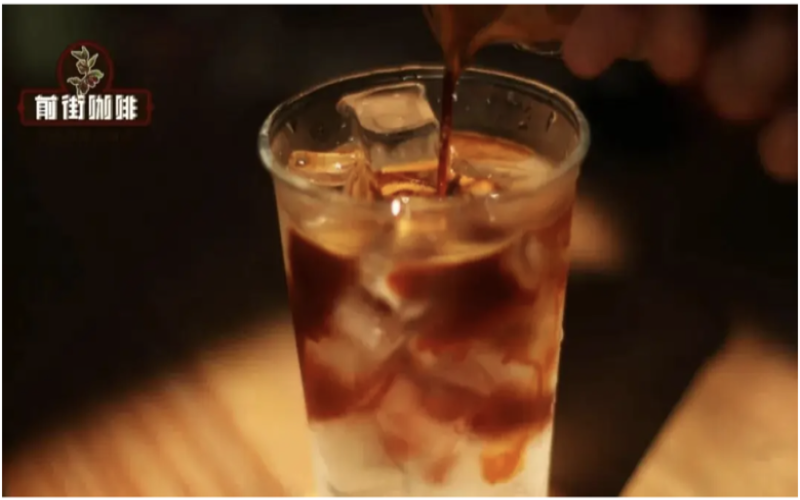
Origin Selection for Cold Brew: Flavor Changes Under Low-Temperature Extraction
The charm of cold brew lies in how low-temperature slow extraction reshapes flavor—the same beans can taste completely different when hot-brewed versus cold-brewed. Understanding how beans from different origins change under low-temperature extraction gives you a deeper basis for choosing beans for cold brew. Light-roasted beans from African origins show the most noticeable changes in cold brew. Beans with bright acidity when hot-brewed, in cold brew [more…]
The Best Way to Drink Cold Brew Coffee and Recommended Single-Origin Beans for It: A Full Analysis of Low-Temperature Extraction Flavor Characteristics
September has arrived, yet the heat in the south shows no sign of fading, and a refreshing glass of iced coffee remains a favorite for many coffee lovers. Step into Front Street Coffee, and the apparatus on the bar that looks like a chemistry lab setup always sparks curiosity—this is exactly the equipment for making cold brew drip coffee. Cold brew drip coffee originated in the Netherlands, using ice water for low-temperature slow extraction. Although it takes a long time, it delivers a smooth, full-bodied taste with a subtle fermented aroma. In this article, Front Street will systematically explain the extraction principles of cold brew drip coffee, its differences from hot extraction, key production points, and share suitable coffee bean choices and specific blending schemes for cold brew drip, helping you make an outstanding cup of cold brew drip coffee at home. [more…]
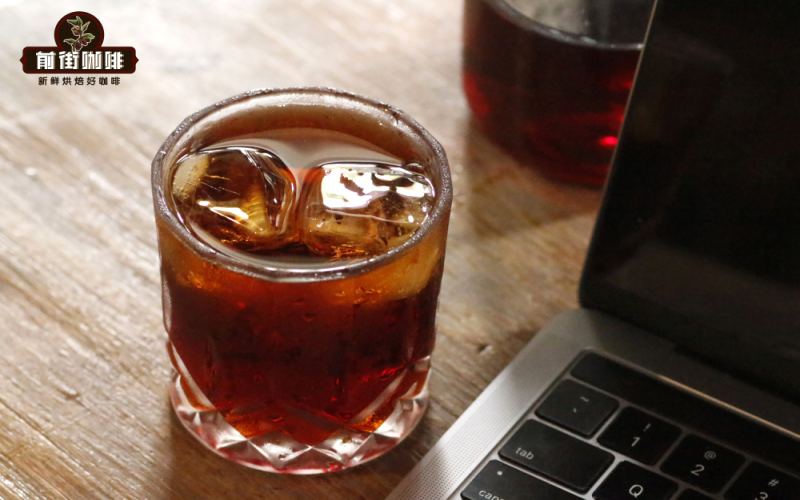
Cold Brew Coffee Bean Selection Guide: Single-Origin Coffee Recommendations for Cold Brewing, Coffee-to-Water Ratio, Steeping Time, and Flavor Analysis
On a scorching summer day, a refreshing glass of iced coffee never fails to perk you up. Cold brew coffee has a low barrier to entry—simply combine coffee grounds with cold water, seal and refrigerate, and leave the rest to time to complete the extraction. This article centers on cold brew coffee, first tracing its origins and basic principles, then sharing Front Street Coffee's hands-on experience with grind size, extraction time, and water, and explaining how cold brew and hot brew differ in flavor expression. Finally, following three styles—fresh floral, citrus and berry, and subtle honeyed sweetness—it recommends Front Street Coffee beans suited to making cold brew, helping you easily craft a layered, smooth, low-bitterness iced coffee at home. [more…]
A Complete Analysis of Five Mainstream Coffee Brewing Methods: From Turkish Pot to Cold Drip, a Beginner's Guide to Pour-Over Coffee Techniques
The creation of a great cup of coffee depends on the right grind size, precise water temperature control, and a sensible coffee-to-water ratio. This article systematically breaks down five mainstream coffee brewing methods—decoction, pressure, gravity, infusion, and cold brew—analyzing each one's operating principles, flavor characteristics, and suitable scenarios. Whether you love rich espresso, prefer the clean and bright flavor of pour-over, or want to try the slow, meticulous process of cold drip coffee, you'll find a brewing approach that suits you. The article also mentions related product recommendations from Front Street Coffee for coffee enthusiasts to reference when making purchases. [more…]
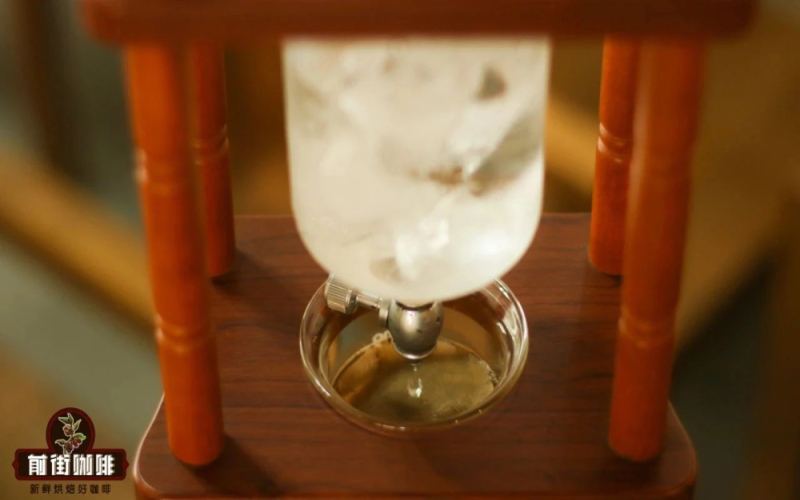
What coffee beans should you choose for cold brew coffee? How should the equipment be paired? Front Street explains the ins and outs of low-temperature extraction in detail.
Cold brew coffee has won the favor of many coffee enthusiasts with its smooth mouthfeel, clear layers, and clean, refreshing character. At Front Street Coffee, cold brew has always been a product with impressive sales performance—baristas make it fresh every day in summer, and in winter customers can also pre-order it in advance according to their preferred flavor. Its popularity stems partly from Front Street's insistence on using its own freshly roasted beans, and partly from the low-temperature extraction and subsequent oxidation steps that allow flavor molecules to be fully released. In this article, Front Street will walk you through the definition of cold brew coffee, its core characteristics, and which coffee beans are suitable for making it. [more…]

Same Beans, Different Taste? An In-Depth Analysis of the Extraction Differences and Flavor Comparison Between Cold Brew Coffee and Iced Pour-Over
Many coffee enthusiasts have wondered: why do cold brew and iced pour-over made from the same coffee bean taste so different? Front Street Coffee once conducted a comparative experiment with Huakui 8.0, and the results were surprising. This article will systematically analyze the core differences between cold brew coffee and pour-over coffee from the perspectives of extraction water temperature, extraction method, and concentration changes, explaining why low-temperature slow extraction brings a rounder acidity, a fuller body, and a unique fermented aroma, while high-temperature fast extraction retains richer aromatic layers. If you also want to understand the essential difference between these two brewing methods, read on. [more…]
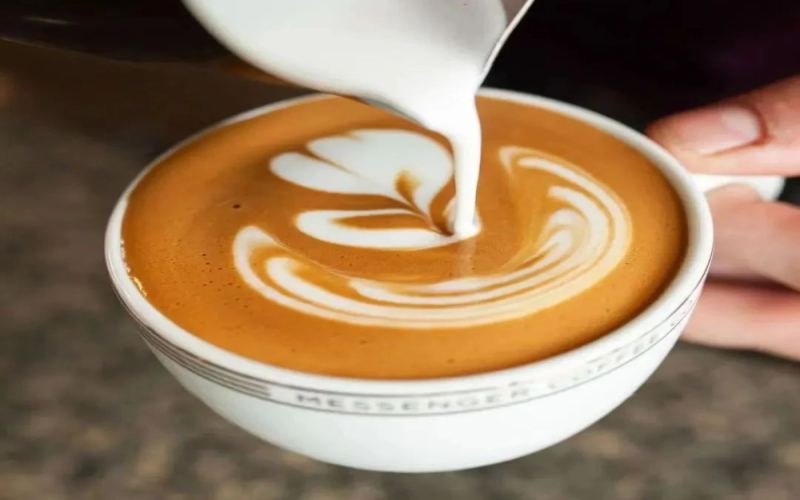
Dirty Coffee: The Making Principles and Why It Became Popular – From Espresso Layering to a Multi-Layered Taste Experience
Dirty coffee is an Italian-style beverage born from the collision of espresso and cold milk. With its slowly sinking crema layer and the alternating hot-and-cold drinking experience, it quickly rose to fame in specialty coffee shops. Starting from Front Street Coffee's brewing parameters, this article traces the origins of Dirty, including Katsuyuki Tanaka's B.P Dirty in Japan and the early practices of "layered coffee" in China, and analyzes why this small-cup coffee became a viral product: it fills the visual gap of iced coffee while offering a layered progression from hot to cold and from bitter to sweet. [more…]
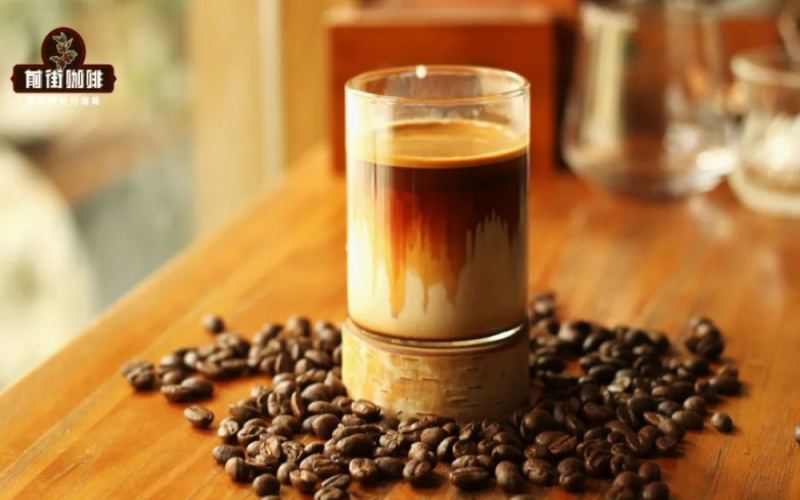
Why is Dirty coffee rarely seen in food delivery? And does dirty coffee really need to be finished within three sips?
Dirty is often mistaken for an iced latte, but in fact it differs in cup size, layering, and drinking rhythm. It relies on the layers of espresso and cold milk to create an alternating hot-and-cold mouthfeel, but precisely because of this it is extremely fragile—after ten minutes it has lost all visual appeal, and after twenty minutes it is almost indistinguishable from milk tea. For this very reason, Dirty cannot withstand the bumps of delivery the way a latte can. This article will break down, one by one, from production details and flavor changes to real delivery tests, why this cup of coffee must be made and drunk on the spot, and how it differs in essence from ordinary milk coffee. [more…]
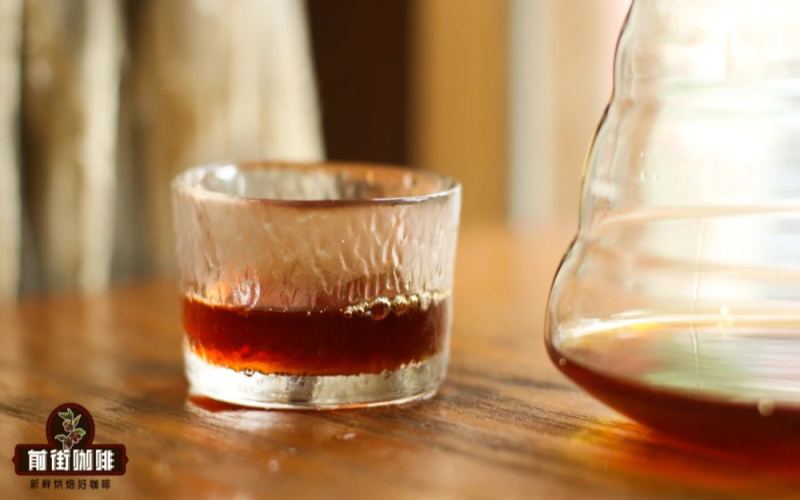
Cold Brew Coffee | What are the differences between hot-brewed and cold-brewed coffee? Why does iced coffee taste better? Which coffee beans are suitable for cold brew?
For more specialty coffee knowledge, please follow our WeChat official account: FrontStreet Coffee. Tea is part of Chinese culture, while coffee has also gradually come into people's view and become one of the three major beverages, becoming an indispensable part of people's lives. As for the love of coffee [more…]
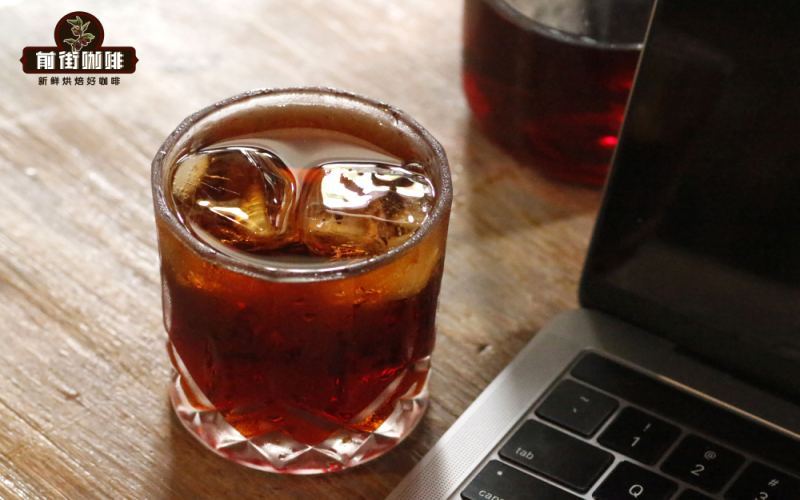
Analysis of Hot vs. Cold Flavor Differences in Pour-Over Coffee: Which Coffee Beans Are Better for Iced Pour-Over?
Front Street's store bean list is extensive, and many customers face a dilemma after choosing their coffee beans: should they make a hot pour-over or an iced pour-over? What exactly is the difference in flavor between the two? This article starts from Front Street's actual brewing parameters, analyzes the construction logic of iced pour-over, and conducts a hot-versus-cold comparison using four representative coffee beans—Ethiopia TOH Uraga, Papua New Guinea Bird of Paradise, Indonesia Golden Mandheling, and Colombia Flower Moon Night—evaluating them across three dimensions: aroma, flavor, and mouthfeel. The results show that hot pour-over generally has the advantage in aroma richness and layering, while iced pour-over is more popular in summer thanks to its cold-drink appeal. The article also points out that light-roast and anaerobic-process coffee beans are more suitable for making iced pour-over, while medium-dark roast beans are not very suitable. [more…]
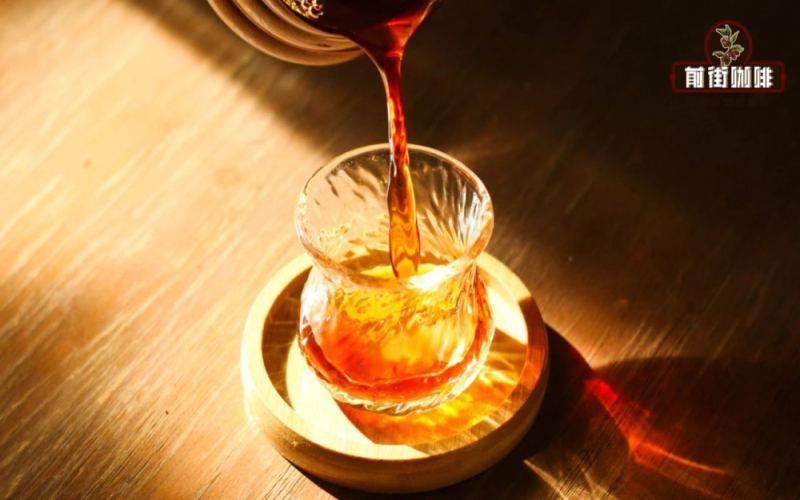
How Are Tea-Bag Coffee and Drip Coffee Different? Testing the True Flavor of Filter-Bag Brewing from Hot Brew to Cold Brew
When the weather heats up, everyone's demand for a pick-me-up coffee rises along with it, and a number of new questions have been popping up in the backend. A reader asked Front Street Coffee: can coffee be brewed directly like a teabag? She felt that drip bags require pouring water in stages and controlling the water volume, which isn't convenient enough. This question actually brings up the fundamental difference in extraction principles between two common convenient coffee formats—steeped bags and drip bags. This time, Front Street Coffee used the same batch of beans to conduct a comparison between hot brewing and cold brewing, testing everything from grind size and coffee-to-water ratio to steeping time, in an attempt to figure out whether coffee brewed in filter bags actually tastes good, and which one is more suitable for which scenarios. [more…]
Why Is Cold Brew Iced Coffee Smoother? A Clear Explanation from Extraction Principles to Coffee Bean Selection
It's the same coffee grounds plus water, so why do hot brew and cold brew taste so different? Hot coffee is all about aroma and temperature, while cold coffee is a greater test of technique and quality. Starting from the definition, brewing methods, and chemical principles of cold brew coffee, this article compares the differences between hot and cold brewing in flavor, bitterness and acidity, and storage time, and explains why low-temperature slow extraction brings a softer mouthfeel. At the end, drawing on a range of single-origin beans and espresso blends from Front Street Coffee, it offers ideas on what coffee beans are suitable for cold brew, helping coffee lovers find their own cup of iced coffee in summer. [more…]
Cold Brew Coffee Unique Flavor Analysis: A Complete Guide to Low-Temperature Extraction Principles, Taste Differences, and Key Production Points
Cold brew coffee has grown increasingly popular among coffee enthusiasts in recent years, and even in the cold season, some people still make a special trip to Front Street stores to order a chilled cold brew. It uses cold water to steep coffee grounds for a long time at low temperature, and its extraction principle is completely different from hot brewing, so the flavor performance also differs noticeably. This article will begin with the historical origins of cold brew coffee, compare its differences from hot coffee in taste and extraction mechanism, and share Front Street's summarized cold brew-making recommendations, including coffee bean selection, grind size and coffee-to-water ratio, steeping time, and storage methods. It will also recommend four single-origin beans with floral and fruity notes suitable for cold brew, helping you make a cup of sweet-and-tart, icy, refreshing cold brew with distinct layers at home. [more…]
Why Doesn't Cold Brew Coffee Taste Sour? A Reference Guide to Cold Brew Coffee Pricing and Coffee Bean Selection
Cold brew coffee, with its unique low-temperature slow extraction process, presents a flavor profile completely different from hot-brewed coffee: smooth mouthfeel, pronounced sweet aftertaste, and relatively lower acidity and astringency. So why does cold brew coffee not taste sour? What price range do cold brew coffees sell for on the market, and how much should you spend on coffee beans to get it right? Drawing on the practical experience of Front Street Coffee, this article systematically explains the origins of cold brew coffee, the extraction principles, key production points, and the types of coffee beans suitable for making cold brew, helping coffee lovers gain a comprehensive understanding of this slow-crafted beverage. [more…]